
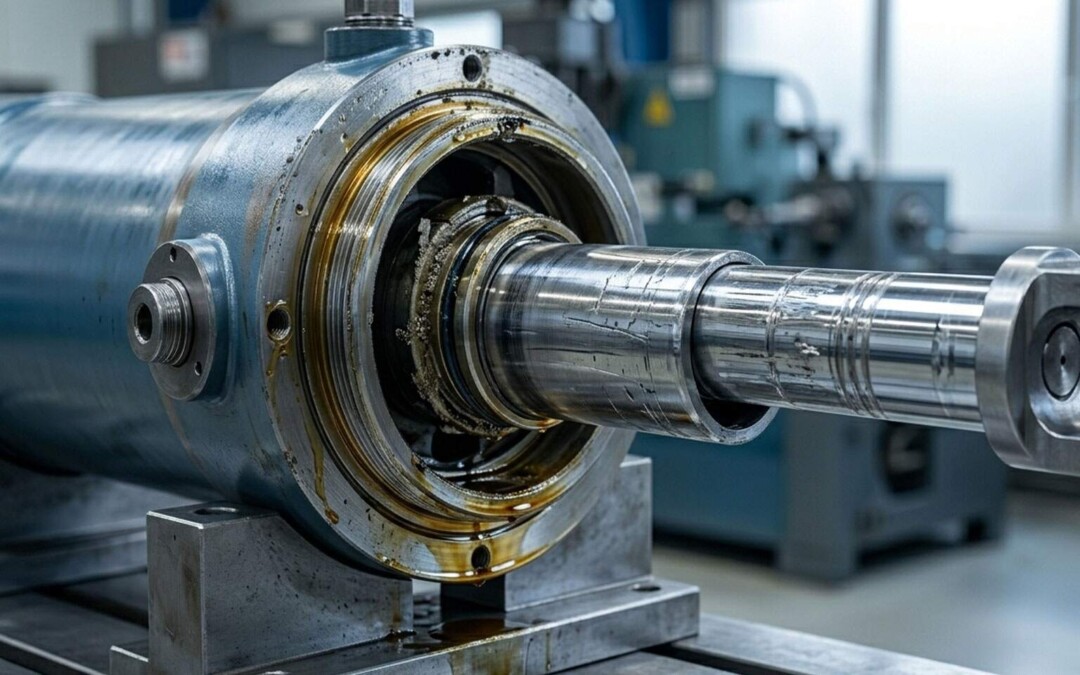
Hydraulic Cylinder Failure Modes (Causes, Diagnosis & Prevention)
A practical guide to the most common hydraulic cylinder failures and how to identify them in real-world applications.
Hydraulic cylinder failures are rarely random. Most faults develop from wear, contamination, misalignment or incorrect specification.
Understanding how cylinders fail is essential for reducing downtime, improving reliability and preventing repeat issues.
Why Hydraulic Cylinders Fail
Hydraulic cylinders operate under pressure, load and continuous movement.
Over time, even small issues can develop into major failures if not addressed.
Most failures fall into a small number of common categories.
Key Failure Drivers
- Contamination within hydraulic fluid
- Poor lubrication or fluid breakdown
- Incorrect installation or alignment
- Overloading or pressure spikes
Common Hydraulic Cylinder Failure Modes
Seal Failure
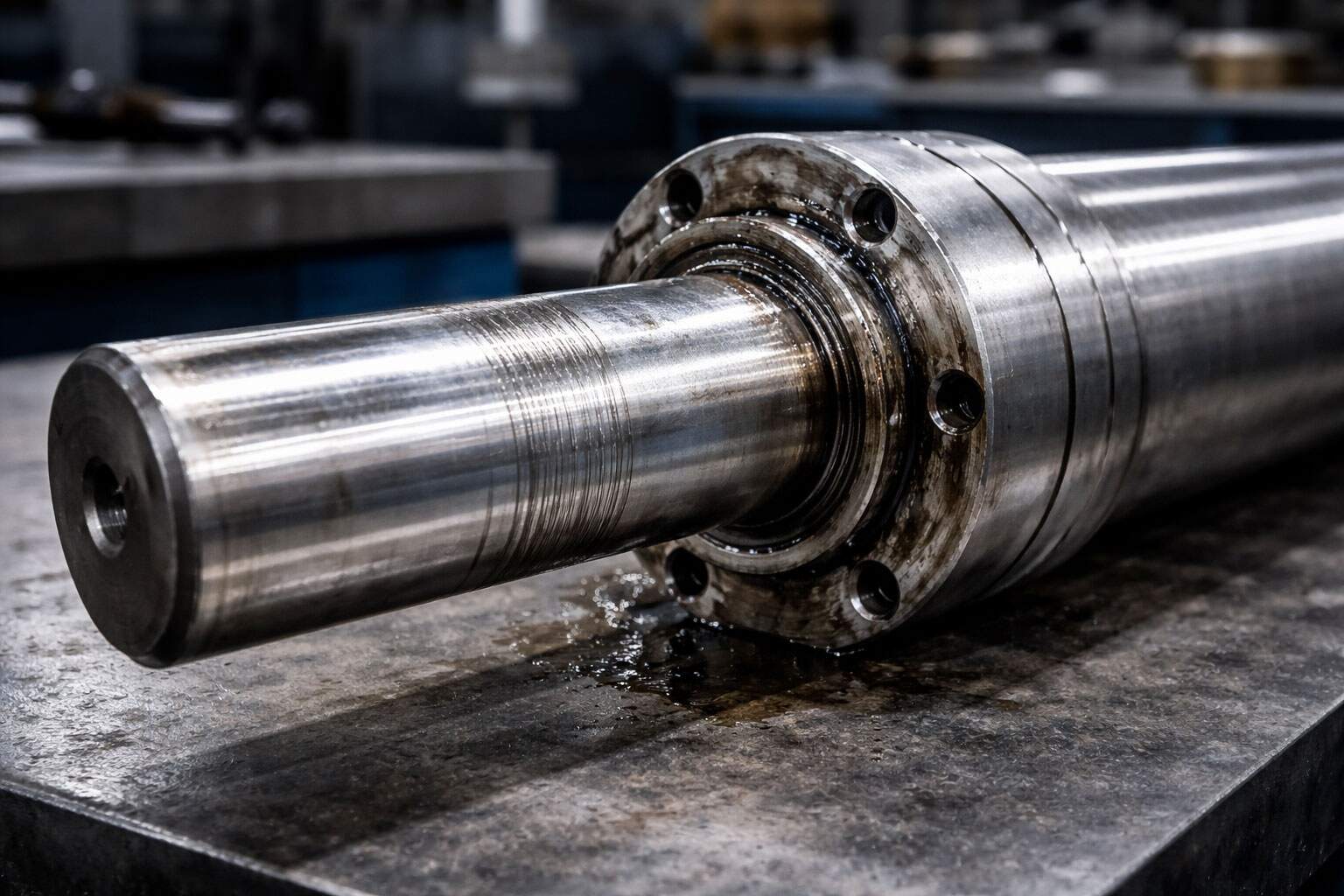
Worn or damaged seals lead to internal or external leakage and loss of pressure.
Rod Scoring
Surface damage on the piston rod damages seals and accelerates wear.
Barrel Damage
Internal scoring or corrosion inside the barrel reduces sealing performance.
Additional Failure Types
- Misalignment causing uneven wear
- Overpressure leading to structural damage
- Loose components or fastening failure
- Thermal expansion affecting tolerances
Need Help Diagnosing a Cylinder Fault?
Hydraulic cylinder failures can often be traced back to a specific component or condition.