
Tolerances & Machining Standards
A practical, workshop-focused guide to the machining fundamentals that make hydraulic cylinders seal properly: fits, alignment and surface finish — plus the common tolerance mistakes that cause leaks, scoring, bypass and early seal failure.
Built to support the hydraulic cylinder manufacturing expertise of Completely Hydraulic. Contact us if you want help specifying a cylinder build.
Quick answer: what machining standards matter most in hydraulic cylinders?
For most cylinders, the biggest performance drivers are bore finish and geometry, rod surface finish, seal groove accuracy, and alignment/guidance that prevents side-load from turning the rod into a cutter. When these basics are right, sealing is predictable and service life improves dramatically.
Guide contents
Use this to jump straight to the machining topic you need.
How to read this page
If you only remember one thing: cylinders don’t usually fail because the “steel is weak” — they fail because alignment + finish + sealing geometry were not matched to the environment and duty.
- Leaks: often rod finish / groove / installation damage
- Drift (creep): often piston bypass or bore finish/geometry issues
- Scoring: often contamination + wiper failure + poor guidance
- Repeat reseals: usually root cause not fixed
Related: Why Hydraulic Cylinders Fail
1) Why tolerances matter in hydraulic cylinder performance
Hydraulic cylinders look simple, but they rely on controlled geometry: roundness, straightness, concentricity and finish. When these drift out of spec, the cylinder may still “work”, but seals wear fast, heat rises, and the unit starts to weep or bypass.
Geometry control
Roundness and straightness matter because seals need consistent compression all the way around the bore and rod.
Alignment & guidance
Guidance keeps side-load from turning your rod into a lever that drags seals and scores surfaces.
Finish & friction
Surface finish controls friction and heat. Too rough tears seals; too smooth can reduce lubrication where needed.
2) Fits & clearances (where sealing success starts)
Correct fits ensure parts locate properly and don’t loosen under pressure pulses. Clearances influence leakage paths, stability and wear. In cylinders, fits are closely tied to seal compression and wear-ring guidance.
Typical areas where fit matters
| Area | Why it matters | Common failure outcome |
|---|---|---|
| Bore to piston seal | Controls sealing stability and friction; relies on bore finish and geometry. | Bypass → drift/creep, heat, loss of force |
| Rod to gland / bearing | Controls guidance and side-load behaviour; helps protect rod seals. | Rod seal wear, weeping, scoring |
| Wear rings / guidance | Prevents metal-to-metal contact and maintains alignment under load. | Scoring and repeat seal failures |
| Threaded interfaces | Must stay tight under pressure cycles and shock. | Loosening, leakage, misalignment |
Tip: You don’t need to memorise numbers — you need to understand how fit affects sealing stability and guidance.
Practical “fit first” checks
- Does the piston stay stable under load (no rocking)?
- Does the rod feel guided along the full stroke (no “free play”)?
- Is there evidence of uneven seal wear (one side failing first)?
- Are wear rings doing the job, or has metal started contacting?
Related: Cylinder Materials Explained
3) Alignment & guidance (why side-load destroys cylinders)
Many cylinders fail because they are asked to do two jobs: generate force and act as a structural guide. When side-load is present, the rod is pushed against bearings and seals, increasing friction and wear.
Bearing length
More guidance length generally improves stability and reduces seal abuse, especially with long strokes.
Concentricity
Keeping components concentric reduces uneven seal compression and protects surface finishes.
Shock loads
Shock and vibration can loosen interfaces and drive misalignment that accelerates wear.
4) Surface finish (rod & bore) — the seal’s “road surface”
Surface finish is one of the biggest predictors of seal life. Too rough acts like sandpaper; too smooth can disrupt lubrication. Finish should be specified as part of a complete system: rod coating + seal compound + wiper choice + contamination risk.
Where finish matters most
- Rod finish: drives rod seal and wiper performance; poor finish leads to weeping and rapid wear.
- Bore finish: affects piston sealing, bypass, heat and drift under load.
- Edge control: sharp edges on grooves or ports can cut seals during assembly.
Finish is also tied to materials: coatings and plating must match the environment and seal design.
Symptoms of poor finish
- Seal lips tearing or “feathering”
- Persistent weeping after reseal
- Stick-slip motion, chatter, uneven movement
- Heat build-up during normal cycling
Related: Why Hydraulic Cylinders Fail
5) Seal grooves & edge control (small details, big failures)
Seal grooves must hold seals securely without over-compressing them. Groove width, depth, and corner radii should suit the seal type and support rings. Sharp edges or incorrect groove geometry often cause assembly damage that looks like a “mystery leak” later.
Groove geometry
Correct dimensions support seal stability, prevent extrusion, and reduce friction.
Deburring
Sharp edges cut seals during assembly and can cause immediate weeping once pressure is applied.
Seal support
High pressure may require backup rings/support to prevent seal extrusion and damage.
6) Common machining mistakes (and what they look like on-site)
Most repeat failures follow a pattern. Here are the most common machining and tolerance issues that shorten service life.
Typical issues we see
- Out-of-round bores leading to uneven seal compression and bypass.
- Poor bore finish causing heat, friction, rapid seal wear.
- Rod finish defects (pitting, scoring, plating issues) that damage seals.
- Insufficient guidance allowing side-load to tear seals and score surfaces.
- Sharp groove edges cutting seals during assembly.
- Loose threaded joints that shift alignment under shock loads.
If you want a fast diagnosis path
Use this page to connect symptoms (leak, drift, scoring) to likely root causes and next checks.
Read: Why Hydraulic Cylinders FailTip: Fixing the seals without correcting alignment/finish usually leads to repeat failures.
7) Machining checklist (copy/paste)
Use this when discussing a build, refurbishment or specification. It prevents “standard assumptions” and forces the right questions early.
Copy/paste checklist
- Environment: clean factory / construction / agriculture / washdown / coastal.
- Side-load risk: none / moderate / high (is the cylinder being used as a guide?).
- Geometry expectations: bore roundness, straightness, concentricity, runout.
- Finish expectations: bore finish and rod finish suitable for the seal system.
- Seal groove checks: groove width/depth, radii, deburring and assembly protection.
- Guidance system: bearing length, wear rings, stability under load.
- Threaded interfaces: retention method suitable for shock and pressure cycles.
Use this alongside: Cylinder Materials Explained and Hydraulic Cylinder Manufacturing Guide.
Need help specifying tolerances for a cylinder build or repair?
Hydraulic Online is the knowledge hub. For real-world cylinder manufacturing support, Completely Hydraulic can help specify machining requirements, finishes and sealing systems that match your duty and environment.
- OEM replacements and bespoke cylinder builds
- Rod replacements, reseals and full ram rebuilds
- Pressure testing and certification available
- Cylinder builds are performed in the Essex depot and shipped anywhere in the UK
If you want this CTA to point to comphydraulic.com, replace the button links above.
Suggested internal links (keep this cluster strong)
Link out from this page to support your pillar structure and help search engines understand the knowledge hub.
- Hydraulic Cylinder Manufacturing Guide
- How Hydraulic Cylinders Are Manufactured
- Hydraulic Cylinder Materials Explained
- Why Hydraulic Cylinders Fail
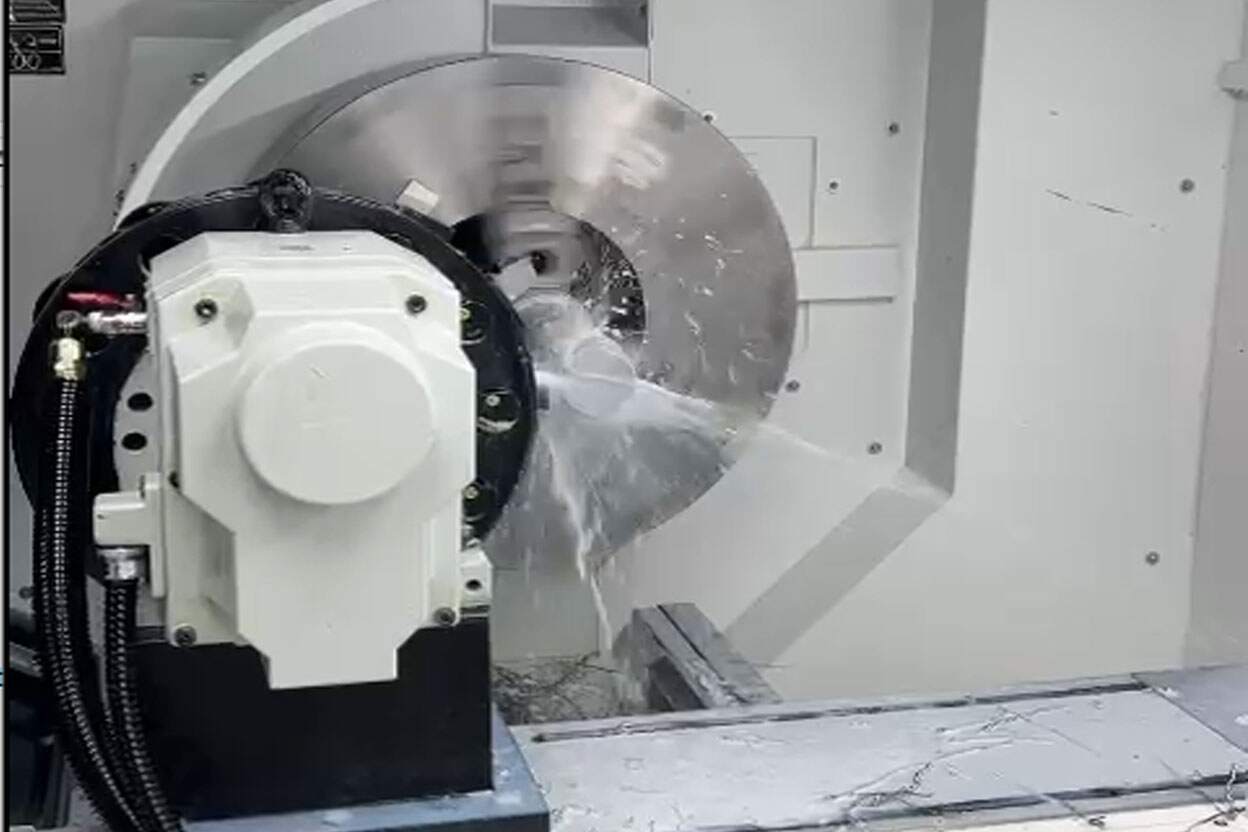
Suggested: calipers measuring a rod, bore gauge in a honed tube, CNC machining, or a precision micrometer shot.
Tolerances & machining FAQs
Short answers written to work well for AI results and “People Also Ask”.
What tolerances matter most in a hydraulic cylinder?
The most important factors are bore geometry and finish, rod finish, seal groove accuracy, and guidance/alignment that prevents side-load from tearing seals or scoring surfaces.
Why does bore finish affect hydraulic cylinder sealing?
The bore finish controls friction and how seals bed in. Too rough accelerates wear and heat; geometry issues can create uneven seal compression and bypass.
What causes a hydraulic cylinder to drift (creep) with no external leak?
Drift is often caused by internal bypass at the piston seals, sometimes linked to bore finish/geometry or piston stability issues rather than external leakage.
Why do some cylinders fail soon after a reseal?
If the root cause is alignment, poor surface finish, contamination, or incorrect groove geometry, new seals can fail quickly even if installed correctly.
How do I reduce scoring and repeat seal failures?
Improve guidance and alignment, ensure the rod and bore finishes suit the sealing system, and choose the correct wiper/seal materials for contamination and environment.