
Discover Hydraulic Cylinder Manufacturing, Design & Engineering — Explained Clearly
A practical resource for engineers, maintenance teams and buyers who need reliable information on how hydraulic cylinders are designed, manufactured, tested and repaired — with real-world guidance you can apply immediately.
Built to support the hydraulic cylinder manufacturing expertise of Completely Hydraulic. Contact us if you want help specifying a cylinder build.
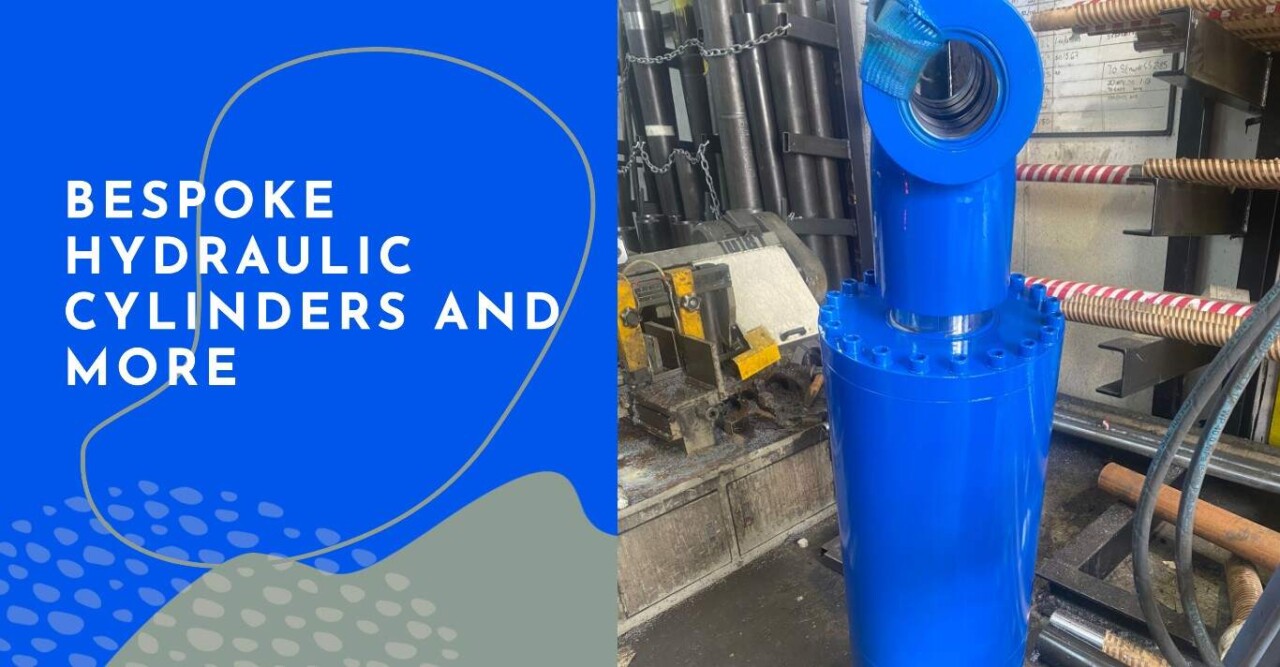
What is hydraulic cylinder manufacturing?
Hydraulic cylinder manufacturing is the process of producing a high-pressure linear actuator by machining precision components (barrel, rod, piston, gland and end caps), fitting seals and wear rings, assembling in controlled conditions, and pressure testing to confirm performance and safety.
What you’ll find on Hydraulic Online
This site is designed to help you make confident decisions — whether you’re specifying a custom build, diagnosing an issue, or learning the fundamentals.
Manufacturing Process
Step-by-step explanations of how cylinders are machined, assembled and tested — with plain-English clarity and engineering accuracy.
Materials & Seals
Barrel and rod materials, surface finishes, seal types, temperature ranges and how to choose the correct specification for your application.
Failures & Fixes
Common failure modes (leaks, rod scoring, drift, bending) and what typically causes them — plus practical prevention guidance.
Start with these core cylinder resources
These pages are the foundation of our manufacturing knowledge hub.
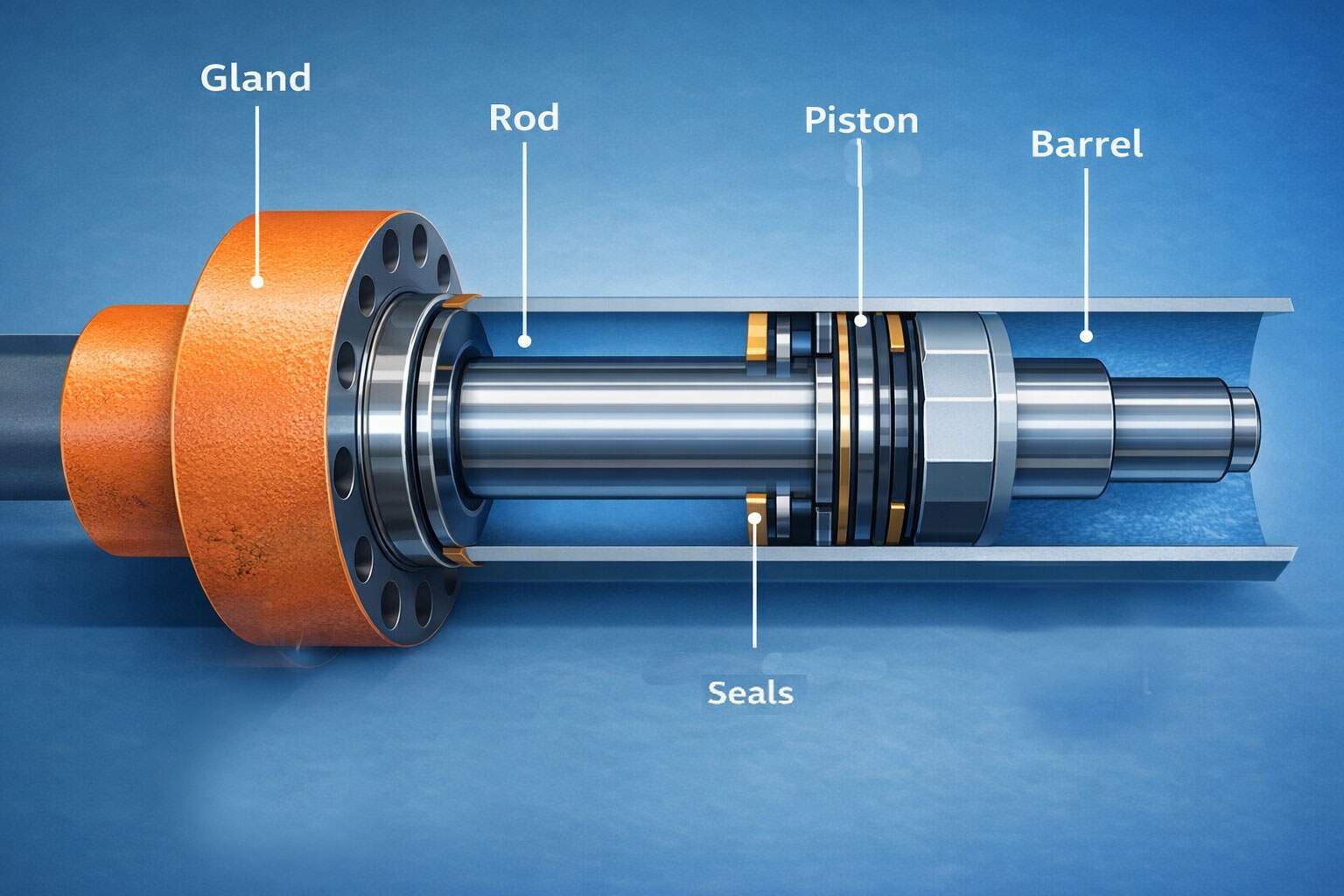
How a hydraulic cylinder is built (in simple terms)
Most cylinders follow the same engineering logic: a sealed barrel contains a piston, the rod transfers force, and the seal package prevents leaks while allowing smooth movement. The difference between “average” and “excellent” comes down to machining accuracy, material selection, sealing design and testing discipline.
Need a hydraulic cylinder built or refurbished?
Hydraulic Online is the learning hub. For real-world cylinder manufacturing and engineering support, Completely Hydraulic builds and repairs cylinders using workshop-grade equipment and proven processes.
- OEM replacements and bespoke cylinder builds
- Rod replacements, reseals and full ram rebuilds
- Pressure testing and certification available
- Cylinder builds are performed in the Essex depot and shipped anywhere in the UK
.

Hydraulic cylinder manufacturing FAQs
How are hydraulic cylinders tested after manufacturing?
Cylinders are typically pressure tested to confirm they hold pressure without external leakage, maintain smooth stroke movement, and meet the intended pressure rating. Many manufacturers use hydrostatic tests and functional movement checks before dispatch.
What materials are used for hydraulic cylinder barrels?
Barrels are commonly made from honed seamless steel tube or precision DOM tubing. The chosen material depends on pressure rating, expected duty cycle, and environmental exposure.
Why do hydraulic cylinders start leaking?
Leaks are usually caused by seal wear, contamination, rod damage, misalignment, or pressure spikes. Correct filtration, good installation and proper seal selection reduce leak risk significantly.
Can you manufacture a cylinder to match an OEM specification?
Yes. An OEM replacement build replicates the original dimensions, mounts and performance requirements. In many cases, materials and seals can be upgraded for longer life if the application needs it.
What information do I need to specify a custom cylinder?
Typically: bore size, rod diameter, stroke length, closed/open lengths, mounting type, working pressure, port sizes, operating temperature range and the application’s load characteristics.
Next: build your knowledge in 10 minutes
Start with the manufacturing guide, then explore materials, tolerances and failure prevention. This is the fastest way to understand what “good engineering” looks like in a hydraulic cylinder — and what to ask for when you need one built.