
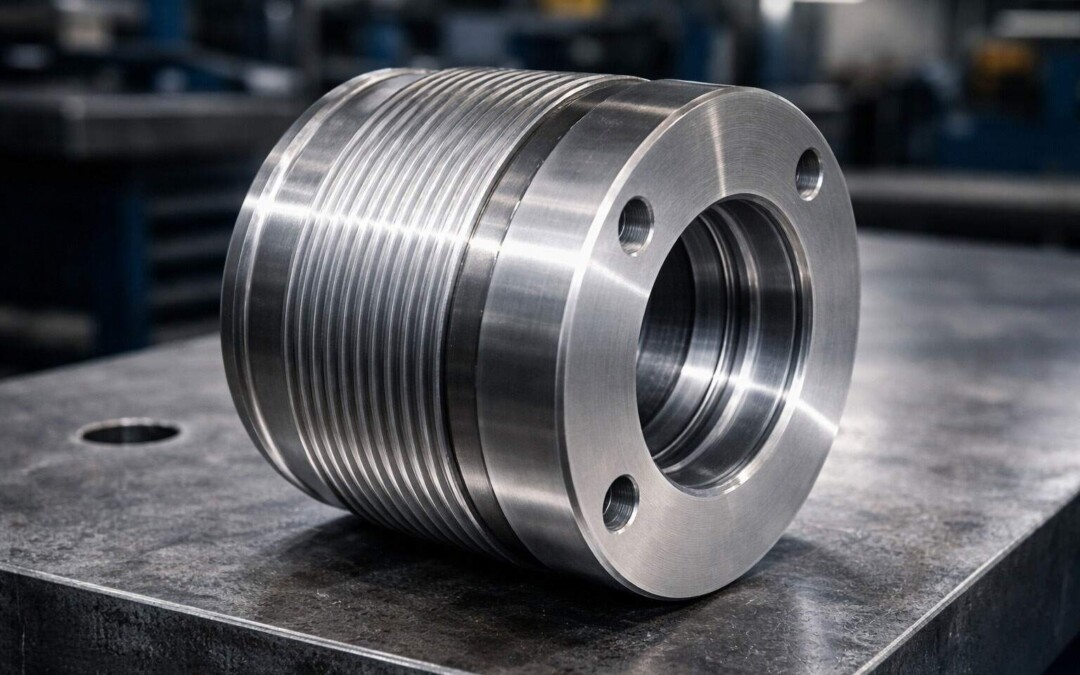
A practical guide to end caps, mounting styles and pressure containment in hydraulic cylinders
A practical guide to hydraulic cylinder end caps, how they contain pressure and how mounting designs affect performance. Hydraulic cylinder end caps seal the cylinder and contain internal pressure while supporting mounting and structural loads. Every hydraulic cylinder has two ends: the head (rod end) and the base (cap end). Both must be designed to handle pressure, alignment and mounting forces. Without properly designed end caps, a cylinder cannot safely operate under load.
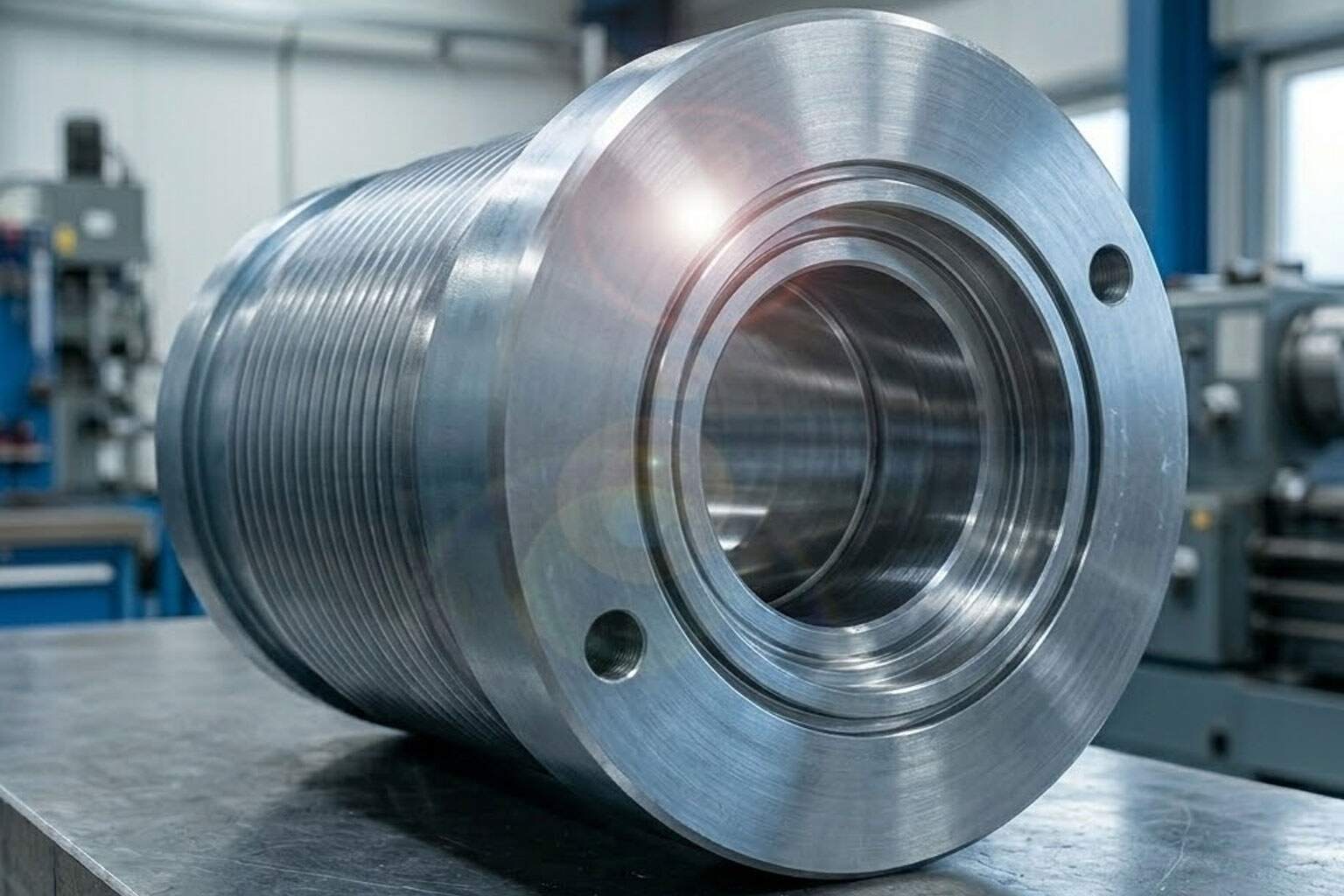
What Hydraulic Cylinder End Caps Do
End caps close both ends of the hydraulic cylinder and contain the internal hydraulic pressure. The base end cap seals one side of the cylinder, while the head end cap also supports the piston rod and sealing system. They also provide structural mounting points to connect the cylinder to machinery.
Primary Functions of End Caps
- Seal and contain hydraulic pressure
- Support cylinder mounting and load transfer
- House sealing systems (rod seals, wipers and glands)
- Maintain alignment of internal components
Types of Hydraulic Cylinder End Caps
End caps are designed in different ways depending on pressure rating, serviceability and application.
Welded End Caps
Common in heavy-duty cylinders, providing strength and pressure resistance.
Bolted End Caps
Allow easier maintenance and access for repair or seal replacement.
Threaded End Caps
Used in compact designs where space is limited.
Mounting and Structural Considerations
End caps often include mounting features that allow the cylinder to connect to machinery.
Common Mounting Types
- Clevis mounts
- Flange mounts
- Trunnion mounts
- Foot mounts
Mounting design directly affects load distribution and cylinder alignment. Incorrect mounting can lead to premature wear and failure.
Common End Cap Problems
End caps can fail due to stress, poor sealing or incorrect installation.
Seal Leakage
Occurs when seals within the head end fail or wear.
Structural Cracking
Can occur under high pressure or poor material selection.
Misalignment
Incorrect mounting can lead to uneven loading and wear.
Learn more here: Why Hydraulic Cylinders Fail →
Need Help With Cylinder Design or Repair?
End caps play a key role in pressure containment and structural reliability. Contact the Team