
Hydraulic Cylinder Barrels Explained (Bore Quality, Materials & Performance)
A practical guide to hydraulic cylinder barrels, honed tube, bore finish and why barrel condition affects seal life.
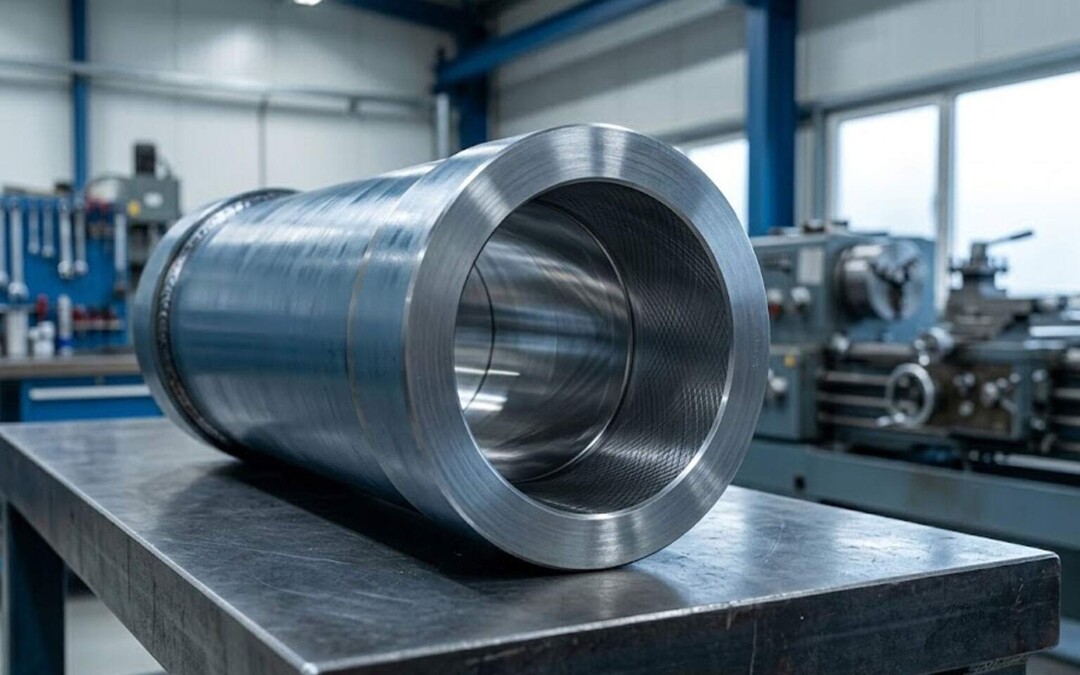
The barrel is the main pressure-containing body of a hydraulic cylinder.
It houses the piston, contains hydraulic pressure and provides the internal bore surface that piston seals run against. If the barrel is worn, scored, corroded or poorly finished, the result can be internal leakage, drift, seal damage and reduced cylinder performance.
What Is a Hydraulic Cylinder Barrel?
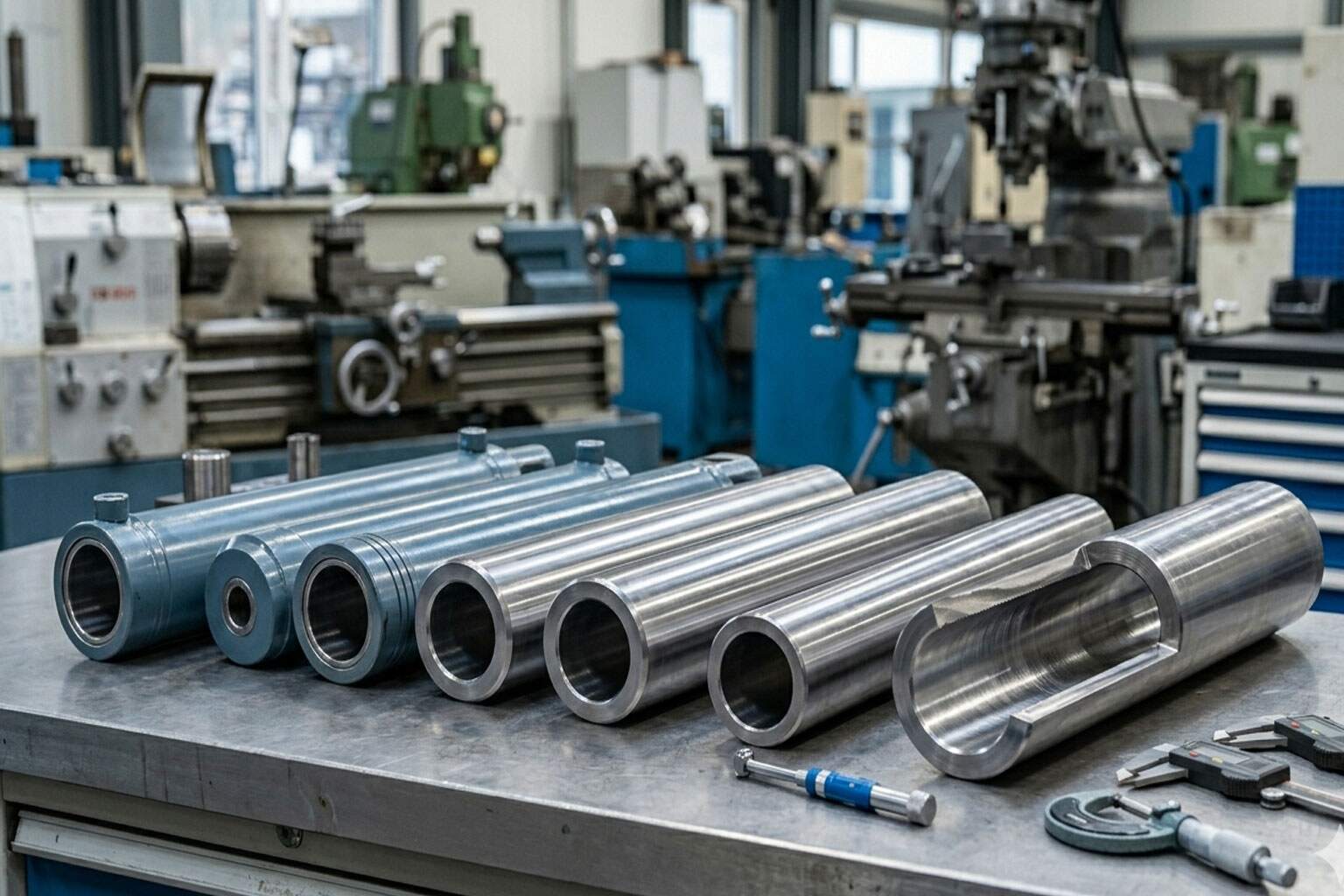
A hydraulic cylinder barrel is the tube or main body of the cylinder. It contains the hydraulic pressure and provides the bore that the piston travels through.
The inside of the barrel must be smooth, round and correctly finished because the piston seals depend on that surface to hold pressure and prevent bypass.
Quick Answer
A hydraulic cylinder barrel is the pressure-containing tube of the cylinder. Its internal bore quality affects piston sealing, force output, drift resistance, friction and overall cylinder life.
Why Cylinder Barrel Quality Matters
The barrel is not just a tube. It is a precision component that directly affects how well the cylinder seals, moves and holds pressure.
Pressure Containment
The barrel must safely contain working pressure and withstand pressure spikes during operation.
Seal Performance
The piston seal runs against the bore. Poor surface finish or scoring can cause leakage and drift.
Cylinder Life
A good barrel reduces friction, protects seals and helps the cylinder operate smoothly for longer.
Common Materials Used for Hydraulic Cylinder Barrels
Hydraulic cylinder barrels are usually manufactured from high-quality steel tube. The material must be strong enough to handle pressure while also being suitable for machining and bore finishing.
Common Barrel Material Options
- Honed steel tube: commonly used for hydraulic cylinder barrels.
- Cold drawn seamless tube: offers good strength and dimensional accuracy.
- DOM tube: used in some cylinder manufacturing applications.
- Stainless steel tube: used where corrosion resistance is required.
The correct material depends on pressure, environment, duty cycle and whether the cylinder is used in clean industrial, mobile, marine or harsh outdoor conditions.
What Is Honed Tube?
Honed tube is steel tube that has been internally finished using a honing process. This creates a smooth, controlled bore surface for the piston and seals.
Engineering Tip
The bore finish must be smooth enough to protect seals but not so polished that it prevents proper oil film retention. The goal is a controlled surface that supports sealing and lubrication.
Barrel Bore Quality: What Matters Most?
The internal bore is where the piston seals work. Bore quality is one of the biggest factors in preventing drift and internal leakage.
Roundness
The bore must remain round so the piston seal can maintain even contact around the full diameter.
Surface Finish
The finish must support sealing, reduce friction and prevent rapid seal wear.
Straightness
A distorted or misaligned barrel can increase friction, side-load and seal damage.
Common Hydraulic Cylinder Barrel Problems
Barrel problems often show up as performance issues rather than obvious visible damage. A cylinder may drift, lose force or damage seals repeatedly because the bore surface is worn or scored.
Bore Scoring
Scratches inside the barrel can allow oil to bypass the piston seal and cause drift.
Corrosion
Moisture or contamination can damage the bore surface and reduce seal life.
Wear or Ovality
A worn or out-of-round bore can prevent the piston seal from maintaining pressure.
For deeper troubleshooting see:
Why Hydraulic Cylinders Fail →
How Barrel Problems Affect Cylinder Performance
When the barrel bore is damaged, the piston seal may no longer maintain a reliable pressure barrier. This can cause internal leakage, reduced force and unstable movement.
Symptoms Linked to Barrel or Bore Issues
- Cylinder drift: oil bypasses the piston seal internally.
- Loss of force: pressure cannot be held effectively.
- Seal wear: rough or scored bores damage piston seals.
- Uneven movement: friction or bore distortion affects piston travel.
Related Hydraulic Cylinder Guides
Not Sure If the Barrel Is Causing the Problem?
If your cylinder is drifting, losing force or repeatedly damaging piston seals, the barrel bore may be part of the issue.
Want to Understand Hydraulic Cylinders Better?
Start with the full manufacturing guide and explore the parts, materials, bore size and failure pages in the hub.
Frequently Asked Questions
What does a hydraulic cylinder barrel do?
The barrel contains hydraulic pressure and provides the bore surface that the piston and piston seals move within.
What is a honed cylinder barrel?
A honed cylinder barrel has an internally finished bore surface designed to support sealing, lubrication and smooth piston movement.
Can a damaged cylinder barrel cause drift?
Yes. Bore scoring, wear or poor geometry can allow hydraulic oil to bypass the piston seal, causing the cylinder to drift.
Can a hydraulic cylinder barrel be repaired?
Minor bore damage may sometimes be corrected by honing, but deep scoring, distortion or corrosion may require barrel replacement.