
Hydraulic Cylinder Applications Explained (Where Cylinders Are Used & Why It Matters)
A practical guide to where hydraulic cylinders are used across industry and how application affects design and performance.
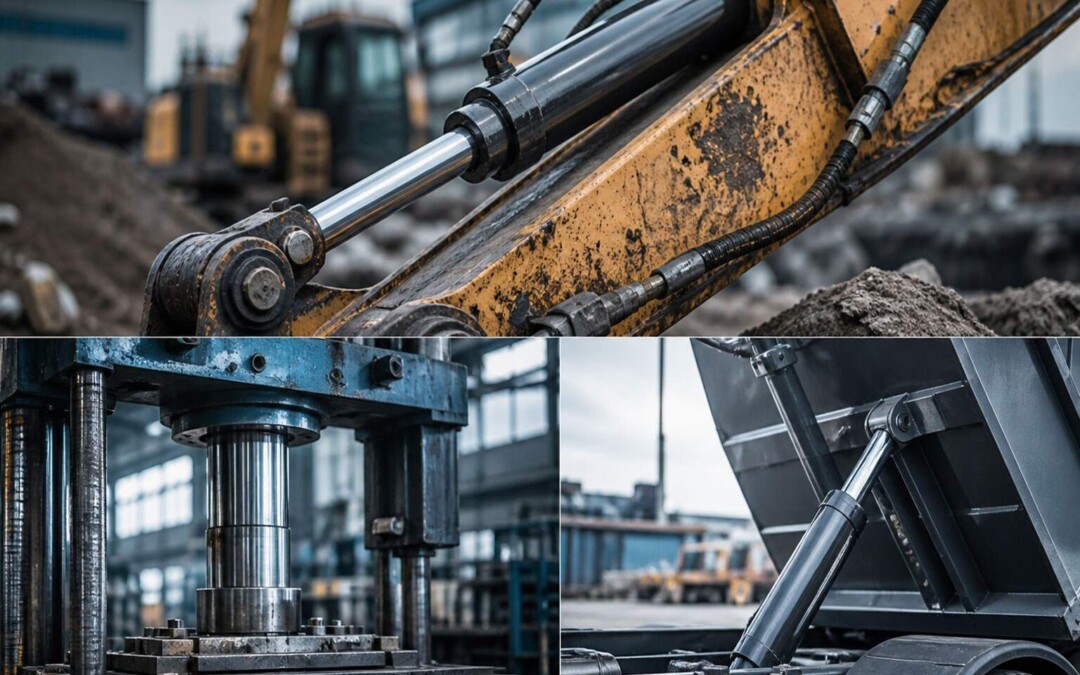
Hydraulic cylinders are used across almost every heavy-duty industry where controlled linear force is required.
From construction equipment to manufacturing systems, hydraulic cylinders convert fluid power into movement that lifts, pushes, pulls and controls machinery under load.
What Are Hydraulic Cylinders Used For?
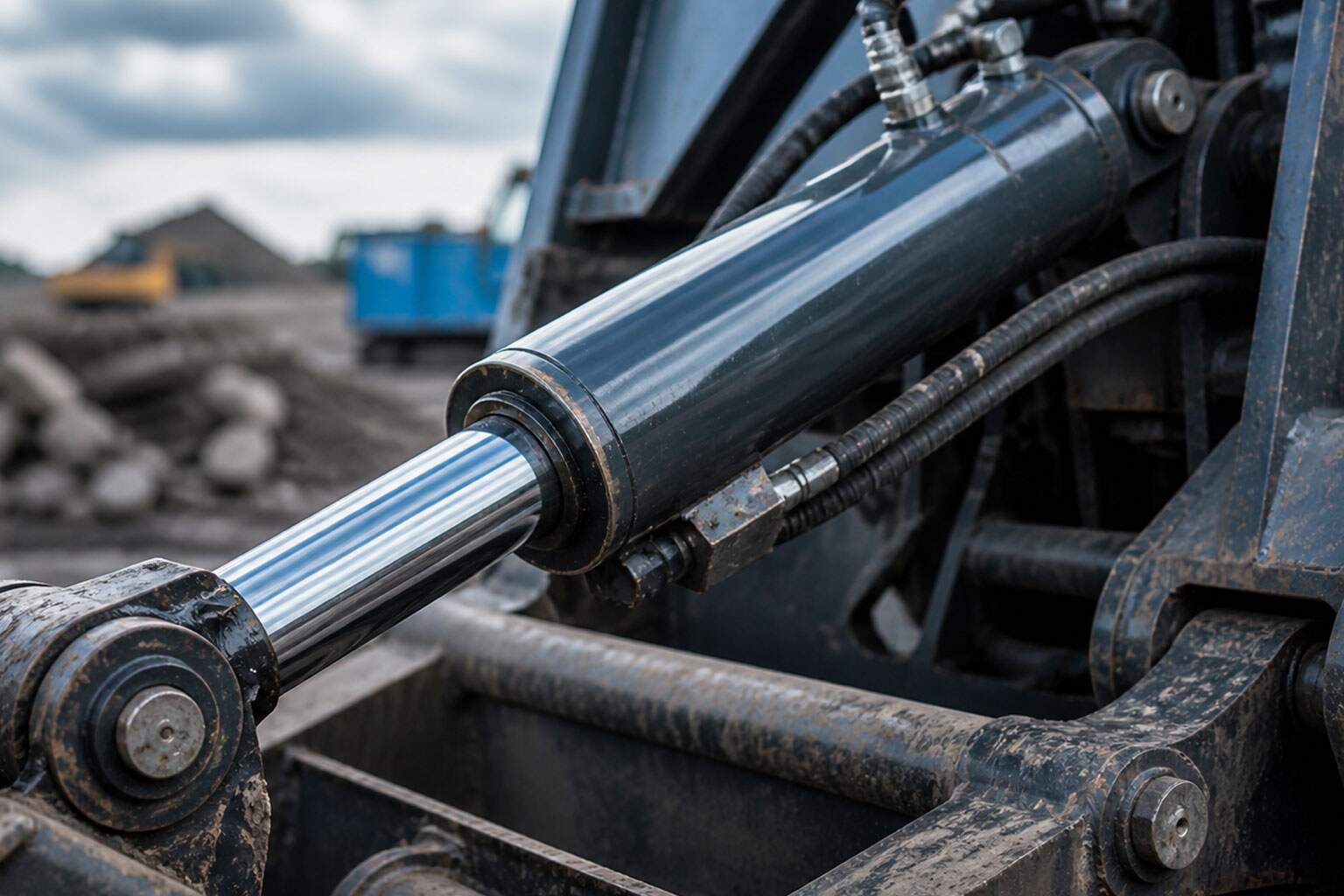
Hydraulic cylinders are used wherever controlled linear motion is needed under load. They allow machines to move heavy components safely and precisely using hydraulic pressure.
Because they can generate large forces in compact spaces, hydraulic cylinders are preferred in applications where electric or mechanical systems may not provide the same performance.
Key Function
- Lift heavy loads
- Push or pull components
- Control movement under pressure
- Provide precise positioning in machinery
Not Sure Which Hydraulic Oil You Need?
Some machines require specialist or OEM-specific hydraulic oil. Using the wrong oil can cause serious damage.
Check Your Oil NowCommon Hydraulic Cylinder Applications
Construction Equipment
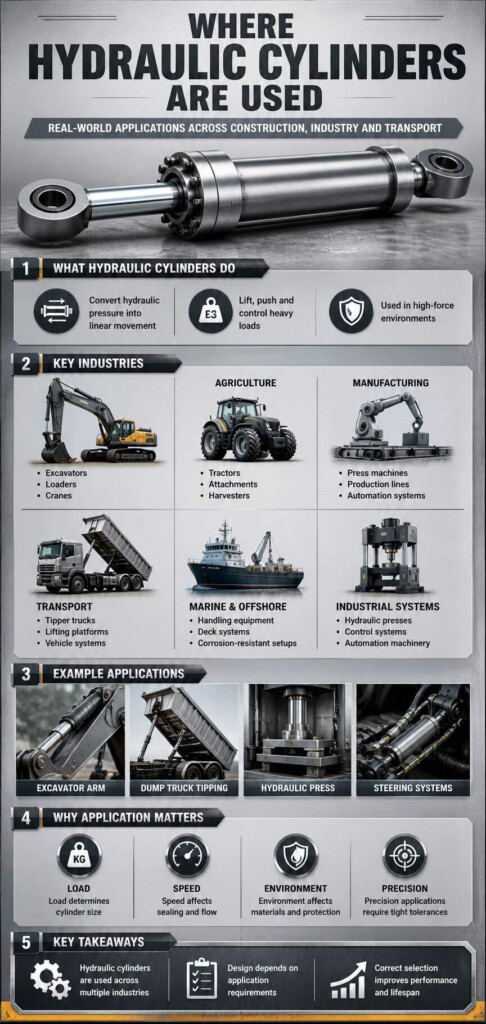
Used in excavators, loaders and cranes to lift, dig and position heavy materials. These cylinders must handle high loads and harsh environments.
Agricultural Machinery
Used in tractors, harvesters and attachments to control implements and adjust working positions under load.
Manufacturing Systems
Used in presses, automated production lines and tooling systems where consistent force and repeatability are required.
Transport & Vehicles
Used in tipping bodies, lifting platforms and vehicle-mounted systems where controlled movement is essential.
Marine & Offshore
Used in marine handling equipment where corrosion resistance and sealing performance are critical.
Industrial Automation
Used in controlled motion systems where repeatable linear movement is required within automated processes.
Why Application Affects Cylinder Design
No two applications are the same. The way a cylinder is designed depends heavily on how it will be used.
- High-load applications require larger bore sizes for more force
- High-speed systems require balanced flow and sealing
- Outdoor environments require corrosion protection
- Precision systems require tight tolerances and alignment
To understand how force and size influence performance, see Hydraulic Cylinder Force & Pressure Explained.
Application vs Failure Risk
Different applications introduce different failure risks. For example, construction equipment is more likely to suffer contamination and rod damage, while manufacturing systems may experience wear from repeated cycles.
Understanding where a cylinder is used helps identify likely problems before they occur.
Learn more here: Hydraulic Cylinder Failure Modes Explained
Frequently Asked Questions
Where are hydraulic cylinders commonly used?
Hydraulic cylinders are commonly used in construction, agriculture, manufacturing, transport and marine applications.
Why are hydraulic cylinders used instead of electric systems?
Hydraulic systems can generate higher force in a compact space and are better suited for heavy-duty applications.
Do all applications use the same type of cylinder?
No. Cylinder type, size and design depend on load, movement requirements and environmental conditions.
What affects cylinder performance in different applications?
Factors include pressure, bore size, stroke length, mounting design, sealing system and environmental conditions.
Need Help With a Hydraulic Cylinder Application?
If you need help selecting or diagnosing a hydraulic cylinder for your application, we can help.