
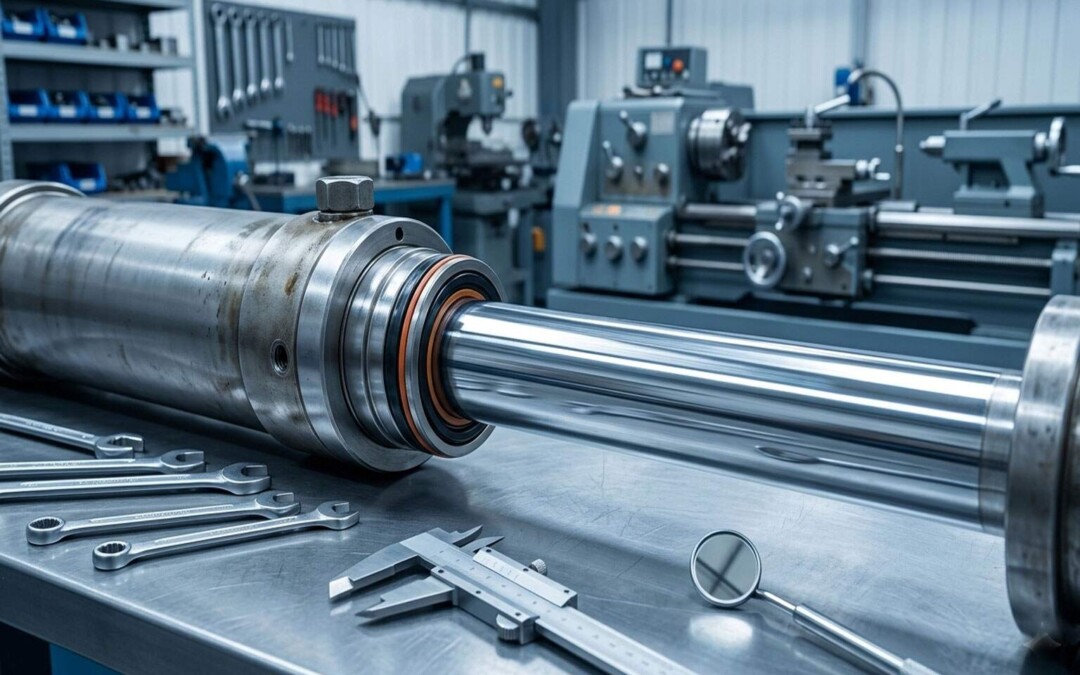
A clear guide to maintaining hydraulic cylinders, preventing failures and extending service life.
Hydraulic cylinder maintenance is one of the most effective ways to prevent leaks, reduce wear and avoid costly downtime. While many cylinders are left to run until failure, most issues develop gradually and can be identified early with the right checks.
In many cases, understanding how cylinders fail and how they are built helps guide better maintenance decisions.
See failure modes or rebuild vs replacement for deeper insight.
Why Hydraulic Cylinder Maintenance Matters
Hydraulic cylinders operate under pressure, load and repeated movement. Over time, even small issues such as contamination, misalignment or surface wear can develop into serious problems if left unchecked.
Regular maintenance helps identify these issues early, before they lead to leakage, internal damage or full cylinder failure.
Quick Answer
Hydraulic cylinder maintenance focuses on inspecting rod condition, preventing contamination, monitoring seals and ensuring correct alignment to reduce wear and extend service life.
Key Areas to Check During Maintenance
Rod Surface Condition
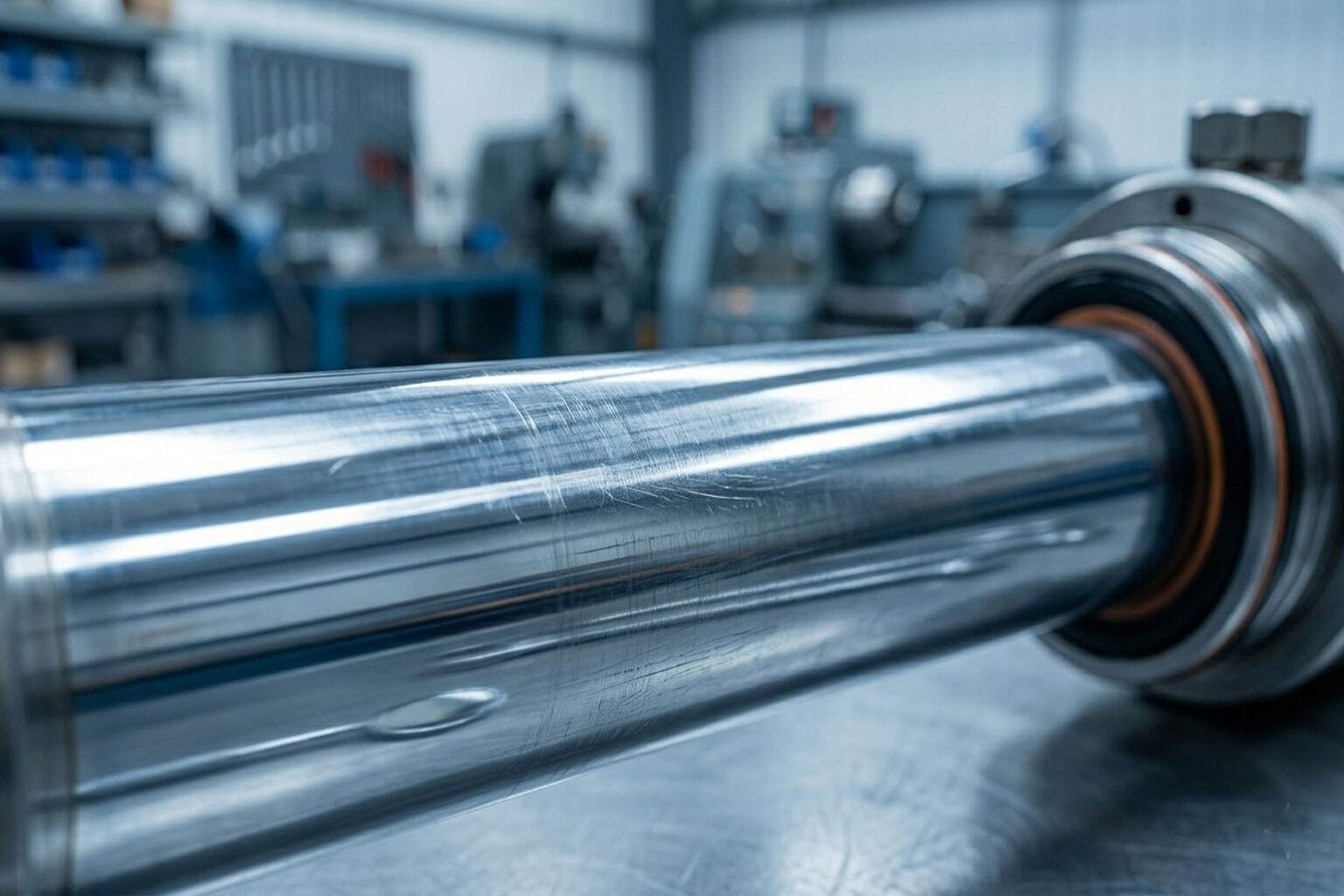
The piston rod should be kept clean and checked for scoring, pitting or corrosion. Damage to the rod quickly affects seals and allows contamination into the system.
Seal Condition and Leakage
Small leaks are often the first sign of wear or misalignment. Early inspection can prevent more serious internal damage.
Alignment and Mounting
Poor alignment creates side loading, which increases wear on seals, rods and internal components.
Contamination
Dirt, debris and poor fluid quality accelerate wear and damage internal surfaces. Clean operating conditions are critical.
Operating Environment
Harsh environments such as demolition, agriculture or marine conditions increase the need for more frequent inspection.
Movement and Performance
Unusual movement, hesitation or noise can indicate internal wear or pressure-related issues.
Daily, Weekly and Monthly Maintenance Checks
Not all maintenance tasks need to be carried out at the same frequency. A simple structured routine helps ensure nothing is missed.
Maintenance Routine
- Daily: Check for leaks, rod damage and unusual movement
- Weekly: Inspect mountings, clean rods and review seal areas
- Monthly: Assess wear trends, contamination levels and system condition
Common Maintenance Mistakes
Poor maintenance habits often cause more damage than no maintenance at all.
Important
- Ignoring small leaks until they become major failures
- Allowing dirt and contamination to build up
- Overlooking alignment and mounting issues
- Assuming the cylinder is fine because it is still operating
- Not adapting maintenance to the working environment
Get Priority Hydraulic Support & Trade Pricing
Jump the queue. Reduce downtime. Pay less for parts, labour and callouts.
✔ Priority response
✔ Lower rates day & night
✔ Trade discounts on parts
✔ 30-day credit terms (approved accounts)
Apply for a Completely Hydraulic Trade Account
Get Priority Hydraulic Support & Trade Pricing
Jump the queue. Reduce downtime. Pay less for parts, labour and callouts.
✔ Priority response
✔ Lower rates day & night
✔ Trade discounts on parts
✔ 30-day credit terms (approved accounts)
Signs Maintenance Has Been Missed
Most hydraulic cylinders give warning signs before failure. Recognising these early reduces repair costs and downtime.
- Recurring seal leaks
- Rod scoring or visible damage
- Rough or inconsistent movement
- Contamination around sealing areas
- Repeated breakdowns of the same unit
When Maintenance Is Not Enough
Maintenance has limits. Once significant damage occurs, the cylinder may require repair, rebuild or replacement.
If the issue has progressed beyond routine maintenance, review rebuild vs replacement to decide the next step.
Why This Matters for Engineers and Operators
Effective maintenance reduces downtime, improves reliability and extends the working life of hydraulic equipment.
For engineers, operators and site managers, early intervention prevents small issues becoming costly failures and keeps systems running efficiently.
Frequently Asked Questions
How often should hydraulic cylinders be checked?
Regular visual checks should be carried out daily, with more detailed inspections weekly and monthly depending on usage and environment.
What is the most important part of maintenance?
Rod condition and seal integrity are critical, as damage in these areas leads to leaks and contamination.
Can poor maintenance cause failure?
Yes. Most hydraulic cylinder failures are linked to wear, contamination or misalignment that could have been identified earlier.
Should a leaking cylinder still be used?
A leaking cylinder should be inspected as soon as possible, as continued use can worsen the damage.
Does maintenance reduce repair costs?
Yes. Early detection of wear and damage reduces the likelihood of major repair or replacement work.
Want to Understand Hydraulic Cylinders Properly?
Maintenance is just one part of the full picture. Learn how cylinders are built, how they fail and how they are repaired.