
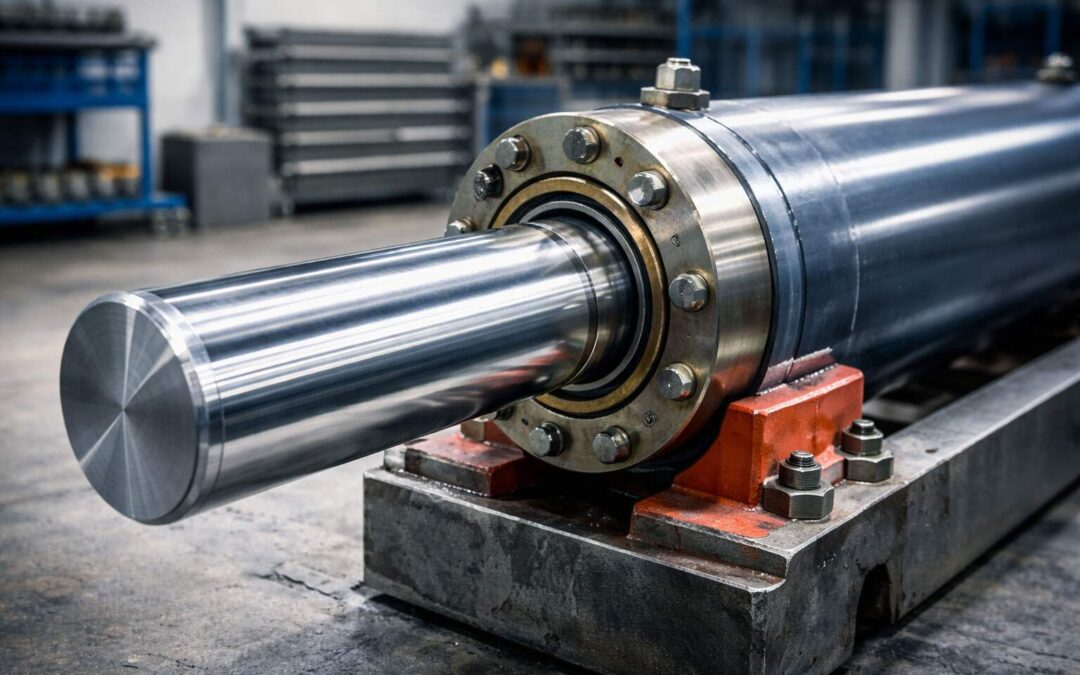
Materials, chrome plating, surface finish and the common causes of rod damage in hydraulic cylinders.
A practical guide to hydraulic cylinder piston rods, how they are manufactured and why rod condition is critical to seal life.
Hydraulic cylinder rods transfer hydraulic force from inside the cylinder to the external machine.
They must withstand heavy loads, contamination, friction and environmental exposure while maintaining a perfectly smooth surface for the seal system.
When rods become damaged — whether through scoring, corrosion or bending — the result is often the same:
seal failure, leakage, cylinder drift or reduced performance.
This guide explains how hydraulic cylinder rods are manufactured, why chrome plating is used, and the most common types of rod damage.
Hydraulic Online supports the manufacturing and engineering expertise of Completely Hydraulic.
If you require assistance with cylinder repair, rod replacement or specification, visit the
contact page →
What Hydraulic Cylinder Rods Actually Do
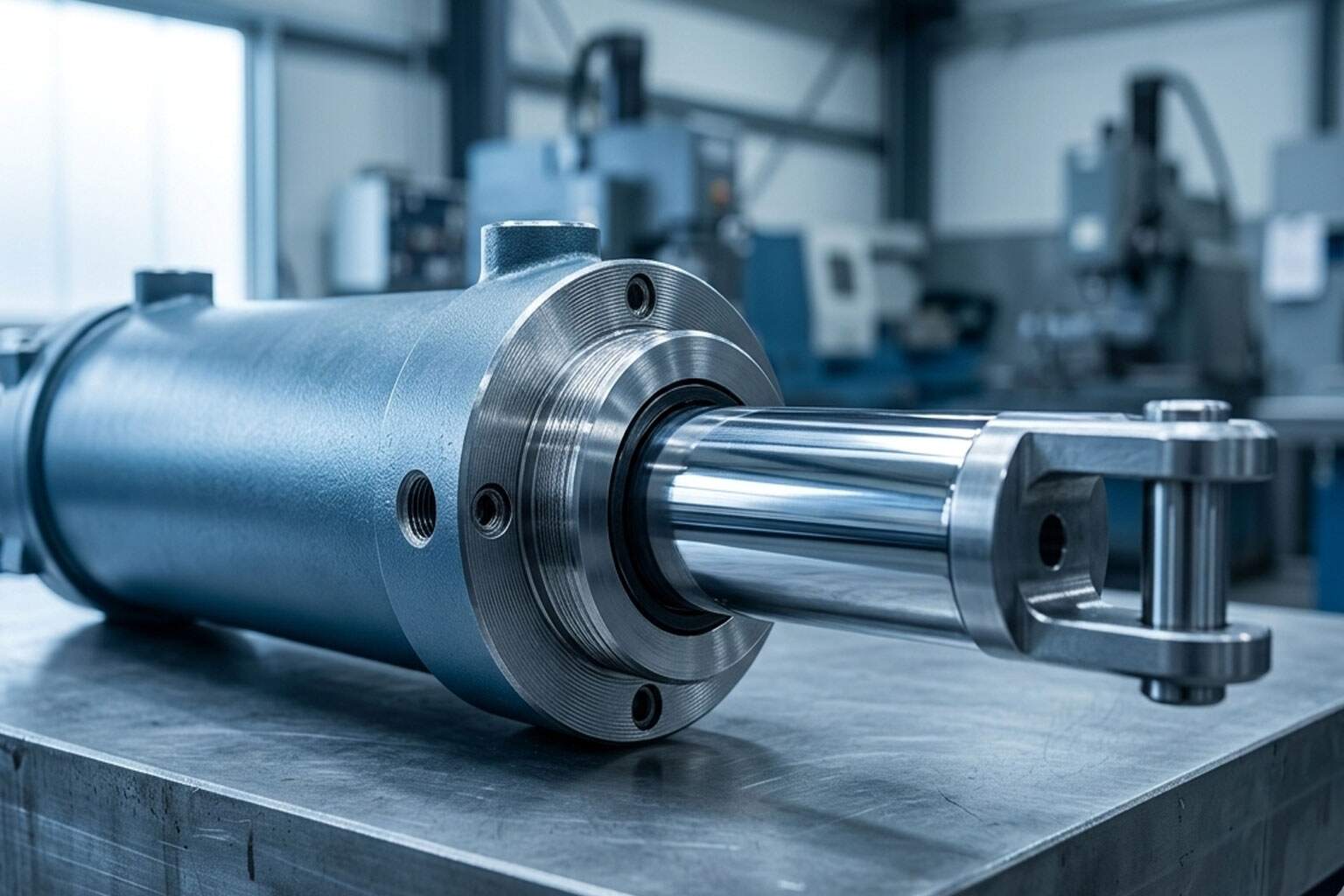
The piston rod connects the internal piston to the external machine component.
As hydraulic pressure pushes the piston, the rod transfers this force outward, creating the linear movement used by the machine.
Key Functions of the Hydraulic Rod
- Transmit force: converts hydraulic pressure into mechanical movement
- Move through the seal system: maintaining sealing while sliding through the gland
- Support the working load: transferring forces to the machine structure
- Maintain alignment: keeping piston movement controlled within the cylinder bore
Because the rod passes through seals every time the cylinder moves, its surface finish and geometry are critical.
Even minor scratches or corrosion can quickly destroy rod seals.
Common Materials Used for Hydraulic Cylinder Rods
Hydraulic rods must provide strength, fatigue resistance and machinability.
Carbon Steel (C45 / 1045)
A common material used in many industrial hydraulic cylinders due to good strength and machinability.
Alloy Steel (42CrMo4 / 4140)
Used for heavy duty cylinders where higher fatigue strength and load capacity are required.
Stainless Steel
Used in marine, food or corrosive environments where corrosion resistance is critical.
Why Hydraulic Cylinder Rods Are Chrome Plated
Most hydraulic cylinder rods are protected by hard chrome plating.
This coating improves durability and provides the smooth surface needed for sealing.
Benefits of Hard Chrome Rods
- Improved wear resistance
- Corrosion protection
- Lower friction against seals
- Smooth sealing surface
After plating, rods are ground and polished to achieve the correct surface finish required by the seal system.
Common Hydraulic Cylinder Rod Damage
Rod damage is one of the most frequent causes of hydraulic cylinder failure.
Rod Scoring
Deep scratches caused by contamination or debris entering the cylinder.
Rod Pitting
Corrosion damage that creates small pits which quickly destroy rod seals.
Bent Rods
Side loading or misalignment can cause rods to bend, damaging seals and internal components.
For deeper diagnostics see:
Why Hydraulic Cylinders Fail →
Rod Damage Causing Seal Failure?
Rod condition is one of the most common reasons for repeated seal failures.
If you describe the cylinder application and symptoms, we can help identify the likely cause.
Want to Understand Hydraulic Cylinders Better?
Start with the full manufacturing guide and explore the materials, machining and failure pages in the hub.